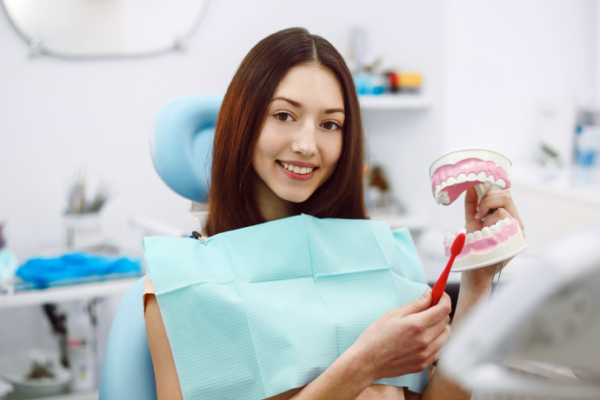
Maintaining excellent oral health is essential for your overall well-being. Understanding enamel erosion and how to prevent it is one of the most important steps you can take to protect your teeth for life. Tooth enamel is the hardest substance in your body, yet it’s remarkably vulnerable to erosion from acids, wear, and improper care. This comprehensive guide explores what causes enamel erosion, why it matters, and practical strategies to keep your enamel strong and healthy.
What Is Enamel Erosion?
Tooth enamel is the transparent, protective coating that covers the outer layer of your teeth. Unlike bone, enamel cannot repair itself once it’s damaged or worn away. Enamel erosion occurs when acids or abrasive forces gradually wear down this protective layer, exposing the softer dentin underneath. This process is often painless at first, but as erosion progresses, you may experience sensitivity, discoloration, and increased cavity risk.
The concerning aspect of enamel erosion is that it’s often irreversible. Once the enamel is gone, your dentist cannot regrow it naturally. This makes prevention absolutely critical for long-term oral health.
Common Causes of Enamel Erosion
Several factors contribute to enamel erosion. Understanding these causes helps you take targeted action to protect your teeth:
- Acidic foods and drinks: Citrus fruits, soda, energy drinks, wine, and sports drinks create an acidic environment that weakens enamel. Even “diet” versions are problematic due to their acidity.
- Acid reflux and GERD: Stomach acid that reaches your mouth significantly accelerates erosion. Consult your doctor if you experience frequent heartburn.
- Aggressive brushing: While brushing is essential, using a hard-bristled toothbrush or scrubbing too vigorously can wear down enamel over time.
- Teeth grinding: Bruxism, often caused by stress or sleep disorders, creates constant abrasive wear on tooth surfaces.
- Dry mouth: Saliva naturally protects teeth by neutralizing acids. Reduced saliva production leaves teeth vulnerable.
- Certain medications: Some antihistamines, aspirin, and other medications can reduce saliva flow or increase acidity.
Practical Tips to Prevent Enamel Erosion
Taking preventive action now can preserve your enamel and prevent costly dental work later. Here are actionable steps you can implement today:
- Choose a soft-bristled toothbrush: Brush gently in circular motions for at least two minutes, twice daily. Avoid aggressive scrubbing motions.
- Limit acidic foods and beverages: When you do consume acidic items, use a straw to minimize contact with your teeth. Wait 30 minutes before brushing to allow your mouth’s natural pH to balance.
- Rinse with water: After consuming acidic foods or drinks, rinse your mouth with plain water to dilute acids and protect your enamel.
- Replace your toothbrush every three months: Frayed bristles become less effective and can damage enamel.
- Clean your tongue: A clean tongue promotes better oral health and reduces bacteria buildup.
- Address dry mouth: Stay hydrated, chew sugar-free gum to stimulate saliva, and discuss with your dentist if medications are contributing to the problem.
- Wear a night guard: If you grind your teeth, ask your dentist about a custom guard to protect your enamel during sleep.
- Schedule regular dental checkups: Professional cleanings and early detection of erosion are crucial for preventing further damage.
When to See Your Dentist
Contact your dentist if you notice tooth sensitivity, yellowing, chipping, or visible wear on your teeth. These may be signs of enamel erosion. Your dentist can assess the extent of erosion and recommend treatments such as bonding, veneers, or crowns if necessary. Don’t wait until the problem becomes severe-early intervention makes a significant difference.
Protecting Your Smile for Life
Taking care of your dental health doesn’t have to be complicated. By understanding the causes of enamel erosion and implementing these prevention strategies, you can build lasting habits that protect your teeth for years to come. Consistency in your oral hygiene routine, mindful choices about what you consume, and regular professional care are your best defenses against enamel erosion. Start protecting your smile today-your future teeth will thank you.