Maintaining a bright, white smile is a common cosmetic goal, and understanding the best approaches to achieve it is important. In this comprehensive guide, we’ll explore everything you need to know about teeth whitening: safe methods that actually work, from professional treatments to at-home solutions.
Understanding Teeth Discoloration
Before exploring teeth whitening safe methods, it’s helpful to understand why teeth become discolored. Tooth discoloration occurs in two main ways: extrinsic staining (affecting the outer enamel layer) and intrinsic staining (affecting the inner dentin). Common causes include:
- Dietary habits-coffee, tea, red wine, and dark berries
- Tobacco use-both smoking and chewing
- Poor oral hygiene-allowing plaque and tartar buildup
- Aging-natural darkening of teeth over time
- Certain medications-such as some antibiotics
- Trauma to teeth-which may darken the inner structure
Identifying the type of staining you have helps determine which whitening method will be most effective for your needs.
Professional Teeth Whitening Options
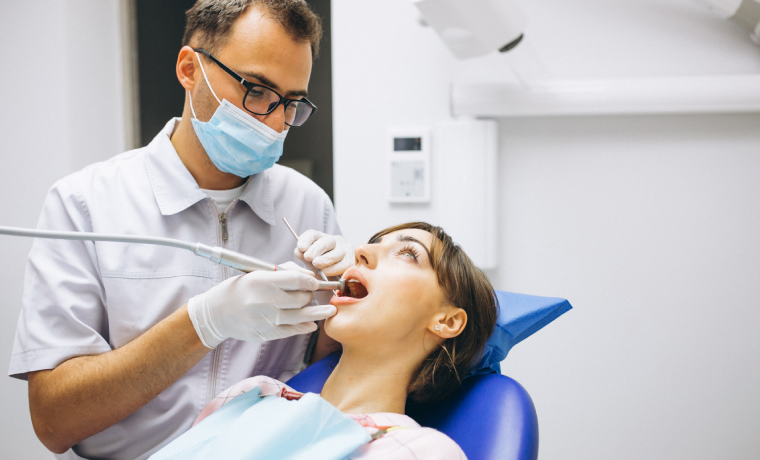
Professional whitening treatments performed by a dentist are among the most effective and safest approaches. These methods use higher concentrations of whitening agents than over-the-counter products, delivering faster and more dramatic results.
In-Office Bleaching: This is the gold standard for teeth whitening. Your dentist applies a professional-grade hydrogen peroxide or carbamide peroxide gel directly to your teeth, often using a special light to enhance the process. Results are typically visible in a single session, and teeth can lighten by several shades. The procedure usually takes 30 to 90 minutes.
Take-Home Professional Trays: Your dentist can create custom-fitted whitening trays and provide you with professional-grade gel to use at home. These trays fit your teeth perfectly, allowing for more even application and better results than generic store-bought alternatives. You’ll typically wear them for 30 minutes to several hours daily over 1-2 weeks.
Safe At-Home Whitening Methods
If professional treatment isn’t immediately available or affordable, several safe at-home options can deliver meaningful results when used correctly:
- Whitening Strips: Thin, flexible strips coated with whitening gel that adhere to your teeth. Use them as directed, typically 30 minutes daily for 5-14 days. Results usually appear within a few days.
- Whitening Gels and Trays: Over-the-counter whitening kits with generic trays and gel are more affordable than professional options, though less effective than custom-fitted trays.
- Whitening Toothpaste: These contain mild abrasives and polishing agents that help remove surface stains. They’re gentler than other methods but provide subtle results and work best for light discoloration.
- Whitening Mouthwash: These are the mildest option, used during regular rinsing. They take longer to show results but are safe for daily use.
Safety Considerations and Side Effects
While teeth whitening is generally safe, some precautions are important. Potential side effects include temporary tooth sensitivity and gum irritation. To minimize these issues, follow product instructions carefully and avoid overuse. If you have sensitive teeth, discuss whitening options with your dentist before beginning treatment-they may recommend desensitizing toothpaste or lower-concentration products.
Avoid whitening if you have untreated cavities, severe enamel erosion, or gum disease, as these conditions require professional dental care first. Pregnant women should consult their dentist before whitening, as research on safety during pregnancy is limited.
Maintaining Your Results
After whitening your teeth, maintaining results requires consistent effort. Brush twice daily, floss daily, and schedule regular dental checkups. Limit staining foods and beverages, or drink them through a straw. If you use tobacco products, quitting will improve both your oral health and whitening longevity.
Touch-up treatments may be needed every 6-12 months, depending on your diet and habits. Professional treatments typically last longer than at-home methods, making them a worthwhile investment if whitening is important to you.
Remember that teeth whitening is most effective on natural tooth structure. If you have dental work like crowns, veneers, or fillings, whitening won’t affect them-you may need replacement to match newly whitened natural teeth. For best results and to ensure safety, consult your dentist before starting any teeth whitening regimen.


