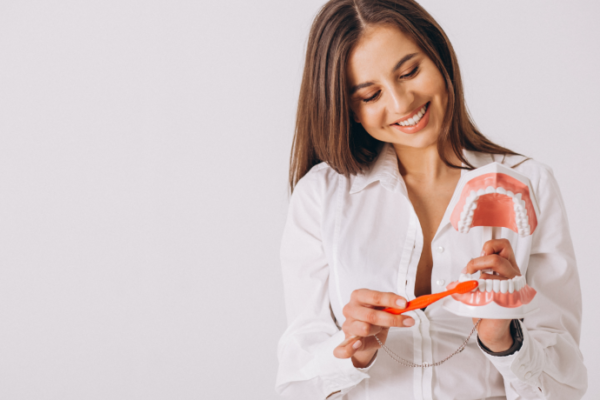
Maintaining excellent oral health starts with selecting the right tools for your daily routine. Learning how to choose the right toothbrush for your needs is one of the most important decisions you can make for your dental hygiene. With countless options available—from manual brushes to electric models—understanding what matters most will help you make an informed choice that suits your lifestyle and dental health goals.
Understanding Toothbrush Bristle Types
One of the first decisions when choosing a toothbrush is selecting the appropriate bristle firmness. Toothbrush bristles come in three main categories: soft, medium, and hard. Most dental professionals recommend soft-bristled brushes because they effectively remove plaque and food debris without damaging your tooth enamel or irritating your gums. Hard bristles may seem more effective at cleaning, but they can actually cause gum recession and enamel wear over time, especially with aggressive brushing.
If you have sensitive teeth or gum disease, soft bristles are particularly important. People with healthy gums who prefer a firmer feel may opt for medium bristles, but always consult your dentist if you’re unsure about what’s best for your individual situation.
Manual vs. Electric Toothbrushes
The debate between manual and electric toothbrushes is ongoing, and both can be effective when used correctly. Electric toothbrushes, particularly oscillating-rotating models, may provide advantages for people with limited mobility or those who struggle with proper brushing technique. They require less manual effort and can help ensure more consistent motion.
Manual toothbrushes remain an excellent choice for most people and offer several benefits: they’re affordable, portable, require no charging, and allow you complete control over brushing pressure and technique. The most important factor is that you brush thoroughly for at least two minutes, twice daily, regardless of which type you choose.
Selecting the Right Handle and Head Size
Comfort and control are essential when learning how to choose the right toothbrush. Your toothbrush handle should feel comfortable in your hand and allow you to maintain a firm but not aggressive grip. People with arthritis or limited hand strength may benefit from thicker, ergonomic handles that are easier to hold.
The brush head should be small enough to reach all areas of your mouth, including back teeth and along the gum line. A head that’s too large can make it difficult to clean thoroughly and may cause you to miss important areas. Most dental professionals recommend a brush head that covers two to three teeth at a time.
Additional Features and Considerations
Modern toothbrushes come with various features worth considering:
- Tongue cleaners: Some brushes include a built-in tongue cleaner on the back, which can help reduce bacteria and freshen breath
- Pressure sensors: Electric toothbrushes with pressure sensors alert you if you’re brushing too hard, protecting your gums
- Timer functions: Built-in timers help ensure you brush for the recommended two minutes
- Angled bristles: Some designs feature bristles angled at specific degrees to better reach the gum line
- Brand reputation: Established dental care brands often invest in research and quality control
Maintenance and Replacement
Regardless of which toothbrush you choose, proper maintenance is crucial. Replace your toothbrush every three to four months, or sooner if the bristles become frayed or bent. After each use, rinse your brush thoroughly and store it in an upright position to allow it to air dry completely, which helps prevent bacterial growth.
If you’ve been sick with a cold or flu, replace your toothbrush to avoid reinfection. People with gum disease or those recovering from dental procedures should follow their dentist’s specific recommendations for brush replacement.
Choosing the right toothbrush is a personal decision that depends on your dental health needs, budget, and preferences. Consider your specific situation—whether you have sensitive teeth, gum disease, or limited mobility—and don’t hesitate to ask your dentist for personalized recommendations during your regular checkups. Remember, the best toothbrush is the one you’ll use consistently and correctly every single day.