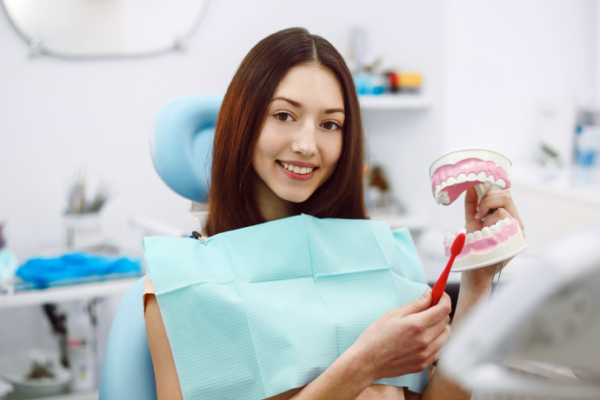
Maintaining excellent oral health is especially important when you have braces, as food particles and plaque can easily accumulate around brackets and wires. This comprehensive guide explains how to brush with braces properly, ensuring your teeth stay healthy throughout your orthodontic treatment.
Why Oral Hygiene with Braces Matters
Your oral health is directly connected to your overall well-being. When you wear braces, the brackets, wires, and bands create additional surfaces where bacteria and food debris can hide. Poor brushing during orthodontic treatment can lead to plaque buildup, tooth decay, gum disease, and permanent white spots on your teeth. Regular dental checkups become even more critical-ask your orthodontist how often you should visit for professional cleanings during treatment.
Essential Tools for Brushing with Braces
Success starts with the right equipment. Here are the tools you’ll need:
- Soft-bristled toothbrush: Gentle on your gums and less likely to damage brackets
- Orthodontic or inter-dental brush: These smaller brushes fit between brackets and wires to remove food debris
- Water flosser or floss threader: Traditional floss is difficult with braces; these alternatives are more effective
- Mouthwash: Use fluoride mouthwash to reach areas your brush cannot
- Proxy brushes: These thin brushes clean between teeth and around brackets
Step-by-Step Brushing Technique for Braces
Proper technique is essential when learning how to brush with braces. Follow these steps for optimal results:
- Start with the outer surfaces: Position your toothbrush at a 45-degree angle to the gum line. Gently brush above each bracket in downward motions. Repeat for the lower teeth, brushing upward.
- Clean the inner surfaces: Use the same angled approach on the inside surfaces of your teeth. Take your time to ensure thorough coverage.
- Brush the chewing surfaces: Use back-and-forth motions on the tops of your teeth to dislodge trapped food.
- Address the brackets and wires: Carefully brush around each bracket and along the wires. Use your orthodontic brush to access tight spaces.
- Brush for two minutes minimum: Consistency is key-spend adequate time cleaning every tooth surface thoroughly.
After brushing, check your teeth in a mirror to ensure no food particles remain. If you see anything trapped, use a proxy brush or interdental cleaner to remove it.
Daily Oral Care Beyond Brushing
Brushing alone isn’t enough. Create a complete routine that protects your teeth:
- Floss daily using a floss threader or water flosser to clean between teeth
- Rinse with fluoride mouthwash after meals when brushing isn’t immediately possible
- Use mouthwash to reach areas your toothbrush cannot access
- Replace your toothbrush every three months, or sooner if bristles become frayed
- Avoid sugary drinks and sticky foods that cling to brackets
- Schedule regular dental checkups with your general dentist and orthodontist
Tips for Success
Maintaining oral hygiene with braces requires dedication, but these practical strategies make it easier. Brush after every meal and snack to prevent food accumulation. Set reminders on your phone during the first few weeks until the routine becomes automatic. Consider keeping a travel-size orthodontic brush kit at school or work. Don’t skip nighttime brushing-overnight, saliva production decreases, making nighttime oral hygiene especially important. If you notice swelling, bleeding gums, or persistent bad breath, contact your dentist promptly, as these may indicate gum disease requiring professional treatment.
Taking care of your dental health during orthodontic treatment doesn’t have to be complicated. With the right tools, proper technique, and consistent habits, you can keep your teeth clean and healthy while wearing braces. Your future smile will thank you for the effort you invest today.