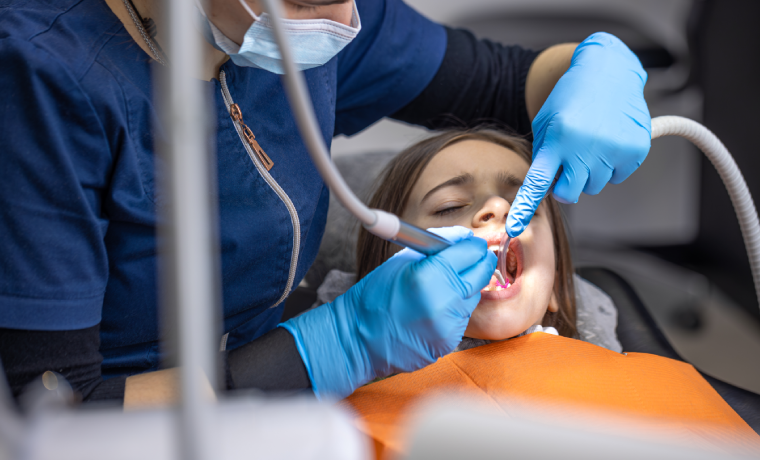
Maintaining excellent oral health is especially important during pregnancy. Dental care during pregnancy requires special attention because hormonal changes can increase your risk of gum disease and other oral health issues. This comprehensive guide explores everything you need to know to protect both your teeth and your baby’s health.
Why Dental Care During Pregnancy Matters
Your oral health is directly connected to your overall health, and this connection becomes even more significant during pregnancy. Hormonal fluctuations during pregnancy increase blood flow to your gums, making them more susceptible to inflammation and bleeding-a condition sometimes called pregnancy gingivitis. Additionally, research suggests that untreated gum disease may be associated with pregnancy complications, including premature birth and low birth weight. By maintaining excellent oral hygiene and scheduling regular dental visits, you can reduce these risks and support a healthy pregnancy.
Safe Dental Treatments During Pregnancy
Many expectant mothers worry about dental procedures, but the good news is that routine dental care is safe and recommended throughout pregnancy. Routine cleanings, X-rays with proper shielding, and necessary fillings can all be performed safely. The safest time for non-emergency dental work is during the second trimester (weeks 14-20), when the baby’s organs have formed but you’re still comfortable in the dental chair. Always inform your dentist that you’re pregnant so they can adjust their approach accordingly. Elective procedures should be postponed until after delivery, but urgent dental problems should never be ignored during pregnancy.
Essential Oral Hygiene Practices for Pregnant Women
Consistency is key when it comes to oral hygiene during pregnancy. Here are actionable steps to maintain your dental health:
- Brush your teeth twice daily for at least two minutes using a soft-bristled toothbrush
- Use fluoride toothpaste to strengthen enamel and prevent decay
- Floss daily to remove plaque between teeth and along the gum line
- Clean your tongue gently to remove bacteria
- Replace your toothbrush every three months, or sooner if bristles become frayed
- Rinse your mouth with water after vomiting, since stomach acid weakens tooth enamel
- Consider using a pregnancy-safe mouthwash if recommended by your dentist
If morning sickness is affecting your routine, try brushing with a smaller toothbrush or using toothpaste with a milder flavor. Wait 30 minutes after vomiting before brushing to avoid damaging softened enamel.
Managing Pregnancy-Related Oral Changes
Pregnancy can bring unexpected changes to your mouth. Some women develop pregnancy tumors-benign growths on the gums that typically disappear after delivery. Dry mouth is also common during pregnancy due to hormonal changes. To manage these issues, stay hydrated, chew sugar-free gum to stimulate saliva, and maintain regular dental visits so your dentist can monitor any changes. If you experience persistent pain, swelling, or bleeding gums that don’t improve with good oral hygiene, contact your dentist promptly.
Scheduling Regular Dental Checkups
Regular monitoring leads to better outcomes during pregnancy. Schedule a dental checkup early in your pregnancy to establish a baseline for your oral health. Most dentists recommend checkups every six months, though your dentist may suggest more frequent visits if you have gum disease or other concerns. Inform your healthcare provider about any dental work you’re having done, and keep your dentist informed about your pregnancy. Communication between your medical and dental care teams ensures coordinated, safe care for you and your baby.
Your oral health is an important part of your overall prenatal care. By following these evidence-based practices and working closely with your dental team, you can maintain a healthy smile throughout your pregnancy and beyond. If you have concerns about your dental health during pregnancy, don’t hesitate to speak with your dentist or obstetrician.
